Lula claims fourth term after 10.4 million late voters shift Brazil runoff
President Lula da Silva secured 64 million votes against Flávio Bolsonaro's 60 million, prompting a legal challenge and a disputed call from Washington.
By Benjamin Clark ·
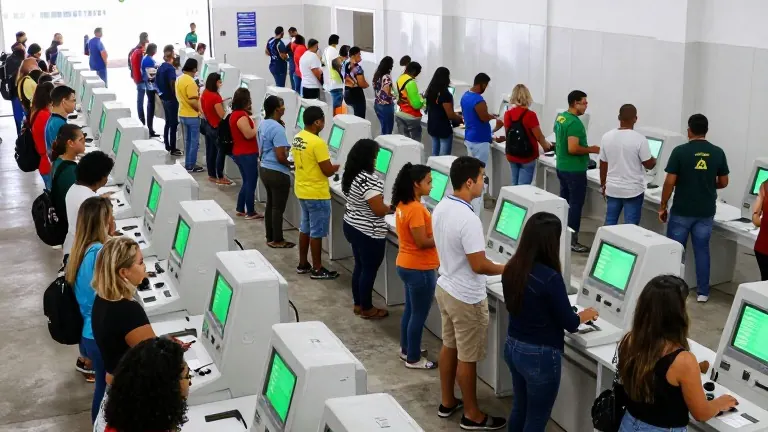
A surge of 10.4 million late voters propelled Brazilian President Luiz Inácio Lula da Silva to a fourth term in Sunday's presidential runoff. The incumbent secured 64 million votes, outpacing Senator Flávio Bolsonaro, who received just under 60 million. The 4 percent margin gives Lula a decisive victory ahead of his inauguration on Jan. 5, 2027.
The result triggers an immediate legal fight. Flávio Bolsonaro announced Sunday that he plans to request an annulment of the election. He cited a chaotic nationwide extension of voting hours that both candidates requested. It remains unclear which specific legal path he will pursue to overturn the tally. His father, former President Jair Bolsonaro, is currently serving a 27 year sentence for a coup attempt and unsuccessfully challenged the last election's result.
President Donald Trump criticized the outcome on Monday, calling the process rigged without providing evidence. He told reporters before departing for Mississippi that the tabulation looked very bad. Trump said the situation looked like another rigged election, a comment that adds international friction to a domestic dispute. The former president did not cite specific data to support his claim.
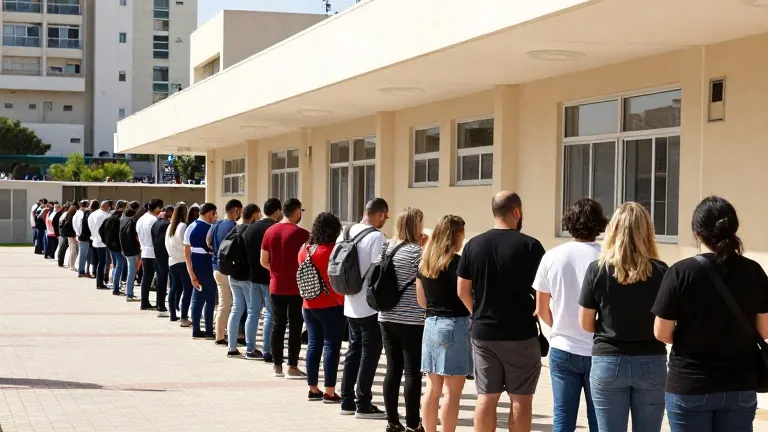
Turnout dynamics defined the election. Fourteen million additional voters participated in the second round compared to the first. Analysts estimate that three quarters of those new votes went to Lula. The first round set a record for abstentions, while the second round recorded the lowest number of abstentions in history. This shift mobilized former non voters and supporters of third party candidates who had previously stayed home.
Lula's campaign credited a digital strategy led by lawmaker André Janones for capturing these undecided voters. Janones managed a WhatsApp channel called Lula's Army that reached nearly 11 million people. This operation pressured Meta to correct algorithmic biases that favored Bolsonaro. Brazil's top electoral court ordered Meta to ensure equal treatment of candidates on Oct. 15. The company later stated it had addressed the issue.
The voting process faced logistical disruptions. A Supreme Court justice ordered a last minute extension of voting hours mere minutes before polls were set to close at 5 p.m. Many polling stations learned of the change only after they were wrapping up. Lula requested the extension due to transportation issues in São Paulo and Salvador. Bolsonaro requested it following heavy rains in the south, a region where he had won the first round by a strong margin.
Institutions across Brazil and the region have recognized Lula's victory. Kassio Nunes, president of Brazil's electoral authority, acknowledged the result Sunday. Brian Winter, an editor in chief at Americas Quarterly, noted that Brazilian power brokers are closing ranks behind Lula despite their political differences. He argued that these leaders do not want to pursue a truly contested election. The result stands as the first time since 1989 that a candidate won the second round after trailing in the first.
Source: ABC News