FEMA Issues 72-Hour Supply Guidelines as Georgia Braces for Winter Weather
Authorities advise homeowners on protecting pipes and vehicles, while the USDA details food safety limits during power outages.
By Layla Haddad ·
The Federal Emergency Management Agency has directed residents to stockpile enough supplies to sustain each household member for at least 72 hours. This recommendation serves as a baseline for preparing against winter storms that could sever power lines and drop tree limbs on homes across the region.
Emergency officials note that while Southern winters are generally milder than Northern ones, freezes and icy roads can still create hazardous conditions. A lack of preparation can lead to frozen pipes, expensive water damage, and extended periods without electricity. The agency urges families to assemble kits containing one gallon of potable water per person per day, non-perishable food, and manual can openers. Additional recommended items include flashlights, extra batteries, fully charged portable phone chargers, blankets, and prescription medications. Households should also keep a battery or hand-crank weather radio and small bills of cash on hand.
The U.S. Department of Agriculture provides specific timelines for food safety during outages. A standard refrigerator keeps food at safe temperatures for approximately four hours without power. A full freezer maintains safe conditions for about 48 hours if the door remains closed, while a half-full freezer lasts for roughly 24 hours. Officials advise keeping refrigerator and freezer doors closed as much as possible to preserve internal cold air.
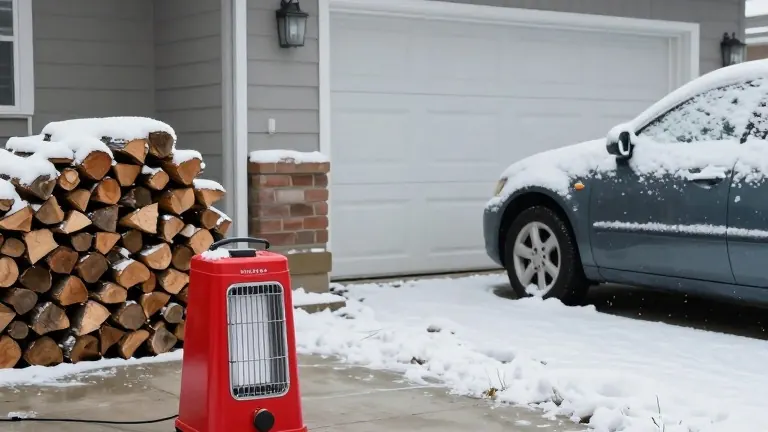
Homeowners are instructed to insulate exposed pipes in attics, garages, and exterior walls to prevent freezing. During severe cold snaps, residents should leave cabinet doors under sinks open to allow warm air to circulate. Letting a small stream of water run from vulnerable faucets can also prevent freezing. It is essential to identify the main water shutoff valve in case a pipe bursts. For portable space heaters, the recommendation is to place them on flat, stable surfaces at least three feet away from flammable materials. These units should be plugged directly into wall outlets rather than extension cords, and smoke and carbon monoxide detectors must be tested regularly.
Vehicle preparation is a critical component of winter readiness. Drivers should inspect tire pressure, test batteries, and ensure wipers and defrosters are functional before the first freeze. Keeping the gas tank at least half full is advised to prevent condensation and provide a fuel reserve for potential delays. A trunk kit should include blankets, bottled water, non-perishable snacks, a flashlight, a basic first-aid kit, jumper cables, and a small shovel. Traction material such as sand or cat litter should also be available. Drivers are warned that bridges and shaded streets often freeze before other surfaces, requiring reduced speed and increased following distance.
Carbon monoxide safety remains a primary concern. Generators must never be operated inside a home, garage, or enclosed porch. They should be positioned at least 20 feet from doors, windows, and ventilation ducts. Charcoal grills and propane heaters should not be used in enclosed spaces for heating or cooking. If a vehicle becomes stranded, occupants should stay inside if it is safe to do so and call for assistance. Running the engine for heat requires checking that the exhaust pipe is not blocked by snow to prevent gas buildup.
Pet owners are advised to provide outdoor animals with dry, wind-protected shelters elevated from the ground. Straw is recommended as insulation because blankets and towels can absorb moisture and freeze. Young, older, short-haired, or ill pets are more vulnerable to cold and should be brought indoors during freezes. Neighbors, particularly those who are elderly, disabled, or living alone, may require assistance with home preparation and supply gathering. Families should establish emergency plans that include key phone numbers and alternate meeting points in case cellular signals fail.
The National Weather Service office for Atlanta and Peachtree City covers the northern and central Georgia regions. Residents can monitor official forecasts and real-time weather alerts through this office. Enabling Wireless Emergency Alerts on mobile devices and maintaining a NOAA radio as a backup are recommended practices for staying informed. While rain often dominates Southern winters, a single cold snap or ice storm can disrupt daily life. Proper insulation of pipes, stocked emergency kits, and vehicle checks are the primary steps to mitigate these risks.