Darker afternoons linked to rise in winter mood disorders
Researchers explain how reduced blue light exposure affects brain chemistry and offer practical steps for managing seasonal affective disorder.
By Jessica Morgan ·
Seasonal affective disorder, or SAD, strikes millions of people each year as daylight hours shorten. The condition typically begins in the fall and improves in the spring or summer. A primary trigger is the shift to standard time, which occurred on Nov. 1 across much of the United States. This change brings earlier sunsets and darker afternoons that affect mood and alertness.
Medical experts recognize a milder form called subsyndromal SAD. A summer variety of the disorder also exists, though less is known about it. No single cause for SAD has been identified. The National Institutes of Health notes that the disorder affects many more women than men. Symptoms often mirror those of general depression, including persistent feelings of hopelessness, pessimism, and difficulty concentrating, remembering, or making decisions.
The term SAD was coined in 1984 by Dr. Norman Rosenthal, then a researcher at the National Institutes of Health, who led the first description of the condition. Dr. Rosenthal noted that the acronym has persisted because it is easy to remember.
Scientists are investigating how specialized cells in the eyes process light. These cells convert the blue wavelength of the light spectrum into neural signals that influence mood and alertness. Sunlight contains high levels of blue light. When these cells absorb it, the brain's alertness centers activate, leading to increased wakefulness and potentially improved mood.
Kathryn Roecklein, a researcher at the University of Pittsburgh, tested how eyes reacted to blue light in people with and without SAD. The group with SAD showed less sensitivity to blue light than others, particularly during winter months. This finding suggests a potential biological cause for wintertime depression.
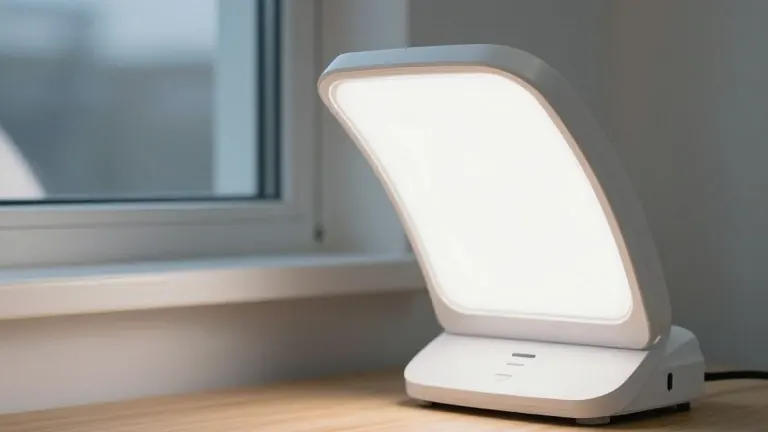
Dr. Paul Desan of Yale University’s Winter Depression Research Clinic says many people with SAD respond to light therapy. This treatment involves exposure to bright light for about 30 minutes in the morning. The devices used emit light about 20 times brighter than regular indoor lighting. Research supports the use of a light measuring approximately 10,000 lux. Desan stated that this approach helps people with SAD as well as those with less severe winter mood changes.
Specialized light boxes cost between $50 and more than $400. Desan warned that some products marketed for SAD are too dim to be effective. Yale has tested various products and offers a list of recommendations. The nonprofit Center for Environmental Therapeutics also provides a consumer guide for selecting a light. Individuals with a doctor's diagnosis for SAD should check with their insurance company to see if the cost is covered.
Antidepressant medications serve as a first-line treatment for SAD alongside light therapy. Doctors recommend maintaining a regular sleep schedule and walking outside, even on cloudy days. The benefits of light therapy can fade when use stops. Kelly Rohan, a University of Vermont researcher, said studies show cognitive behavioral therapy, or CBT, has more durable effects. CBT involves working with a therapist to identify and modify unhelpful thoughts.
Rohan said working with a therapist helps people take small steps toward enjoying activities again. This includes planning undemanding but enjoyable activities, such as getting out to see a friend for coffee, to break out of hibernation mode.