A climate scientist reflects on the devastating monsoon floods in Pakistan
Imran Lodhi describes the intense personal and community challenges faced during the 2022 Pakistan floods, highlighting the urgent need for resilience and community support.
By News Media House Staff ·
Imran Lodhi, a 41-year-old university lecturer holding a doctorate in climate change and sustainable development, was residing in Dera Ghazi Khan, a city in south-western Punjab, when severe floods struck Pakistan. Climate change intensified the monsoon rainfall, leading to widespread devastation across multiple provinces. Although Lodhi initially lived in an area considered to have a lower risk of flooding, the disaster forced him to take immediate action.
The turning point for Lodhi came while he was preparing for his PhD defense and caring for a small child. He had tried to avoid flood news on social media until he saw an image of a two-year-old girl buried in mud. The child died shortly after, an event that compelled Lodhi to act. He immediately contacted six or seven friends at a local mosque to coordinate relief efforts, stating that while they did not know exactly what to do, they had to start somewhere. Their initial focus was on providing food, for which they hired commercial cooks.
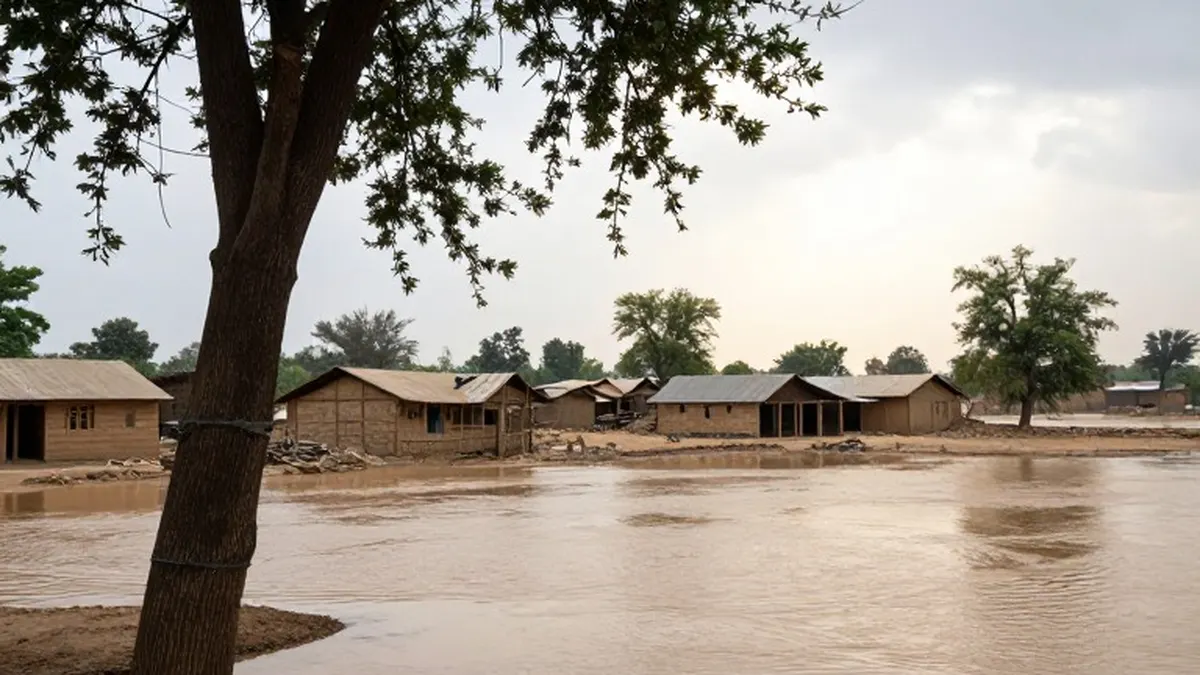
The group initially planned to assist villages near the city where residents had taken refuge on high ground. On the first day, they delivered food to the nearest village. Lodhi described the scene after the rain stopped and the sun emerged. Instead of feeling like a positive sign, the sunlight felt like it opened a scar, revealing the hidden pain of the disaster. He observed trolleys, tractors, vehicles, and homes submerged in water, with no visible government presence or organized camps. People were living under the open sky, a situation that caused significant emotional distress for men who felt that women being exposed in public was a source of shame.
Many women, who typically only went out for agricultural work, were seen with dust and dry mud in their hair and clothes, often without shoes. Mothers struggled to breastfeed as their milk supply had dried up, and babies cried for nourishment. Livestock also suffered; cows lacked feed and stopped producing milk, while many animals were lost, their decomposed bodies contributing to a strong, unpleasant smell as the standing water persisted for a week.
Lodhi and his team prepared and distributed food multiple times a day, often working until late in the evening. One night, at 11 pm, they decided to cook and distribute food again to ensure no one went hungry. An elderly woman laughed when they arrived, explaining that she had just complained to God about being hungry and He had sent them. This moment highlighted the deep spiritual connection that formed between the relief workers and the affected community during times of hardship.
Through social media mobilization, funds poured in from across Pakistan, allowing the team to expand from two or three villages to covering the entire district and region. Government protocols often restricted access to dangerous areas, but families were trapped many kilometers into the water. In one village, small wooden cupboards were hung on trees to save belongings, with entire families, including elders and children, spending days living in the branches of large trees.
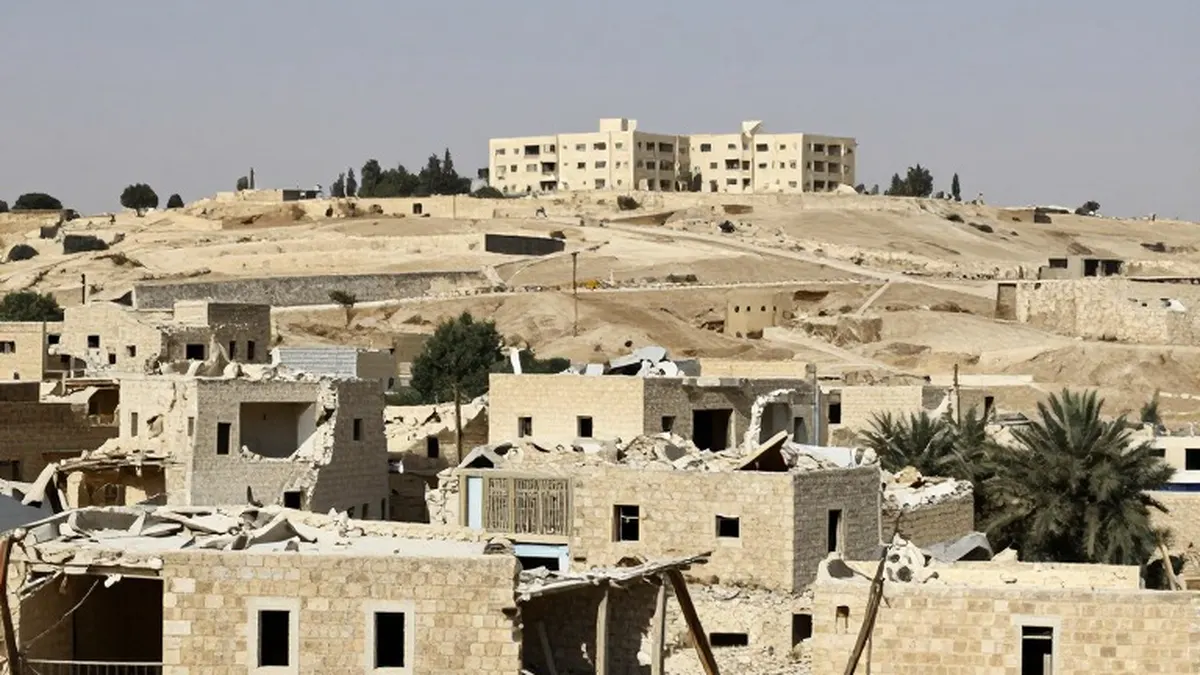
Some villages were completely destroyed, leaving not a single home standing. One elderly woman remained attached to the rubble of her home, particularly concerned about a small cupboard she used for her independent work, which was found broken when Lodhi arrived. Despite contracting a high fever, Lodhi continued his work, driven by the cultural expectation of community support. He feared that if he stopped, the entire relief network would collapse.
At one point, Lodhi learned that his own city, which he believed was safe, was threatened by rising water. While he was 100 kilometers away, he rushed back but found the road cut off by the flood. He called his wife to advise her on evacuation strategies before eventually reaching home via boat. After resting for one day, he returned to the field with a high fever, determined to keep the relief efforts going.
Months after the flood, Lodhi visited the affected areas and noticed signs of recovery, such as open shops and farmers working the land. He also advised a friend to proceed with an annual Saraiki poetry event, believing that continuing cultural traditions would help the community believe in normalcy and the spirit of survival. This narrative was part of a collaboration with the Climate Disaster Project at the University of Victoria, Canada.
Originally published by News Media House