Formula Costs: October marks largest monthly price surge on record
Inflation data shows a 5.1% spike in infant formula prices, driven by tariffs, diesel costs, and supply constraints, while a Connecticut support group helps families cope.
By Anthony Rivera ·
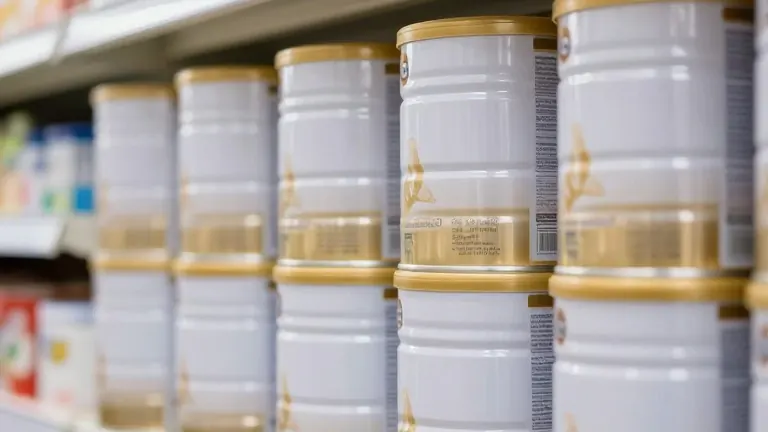
The price of baby formula rose by 5.1% in October, marking the largest monthly increase recorded in the product's history according to a new inflation report. This sharp jump adds financial pressure to a sector where approximately 75% of families in the United States rely on purchased infant nutrition.
Market research firm NielsenIQ attributes the recent price escalation to three primary factors: current federal tariff policies, elevated diesel fuel costs resulting from the war in Iran, and limited supply chains. Patrice Luoma, a professor emerita of entrepreneurship and strategy at Quinnipiac University, notes that the market structure amplifies these pressures. The infant formula industry is dominated by a small number of large companies with low competition and strict regulatory requirements.
Luoma explains that the manufacturing process occurs in controlled environments using specialized equipment, which leaves producers little flexibility in production methods or pricing strategies. Consequently, the costs families pay largely reflect manufacturing expenses, with premium brands carrying higher price tags than standard options. She warns that once prices rise in this market, they rarely revert to previous levels. "The bad news is that when prices go up, they never come back down," Luoma said.
While the federal WIC program provides assistance through SNAP for eligible women, infants, and children, many parents do not qualify. Those outside the program's reach often turn to informal networks for support. In Connecticut, mother Rachel Wrightington established Find My Formula CT in 2022 during a widespread shortage. Her infant required Alimentum, a specialty formula for reflux, which was difficult to locate even in medical offices.
Wrightington initially envisioned the group as a local tool for parents to share store inventory information. Four years later, the network has expanded to a statewide scope with 6,000 members. Participants post updates on where free formula is available or arrange swaps to meet specific dietary needs. "It is expensive, and sometimes you have to go through a bunch of formula before finding the right one," Wrightington said.
Although her child is no longer an infant, Wrightington maintains the active online community to assist other caregivers. The group continues to facilitate exchanges and provide free supplies to members across the state.
Buying from large retail chains may offer modest savings compared to other outlets, according to Luoma. However, the fundamental cost structure remains tied to the high overhead of regulated production and the current economic climate.
More Business · Scam Watch · Report a business · Got a Story?